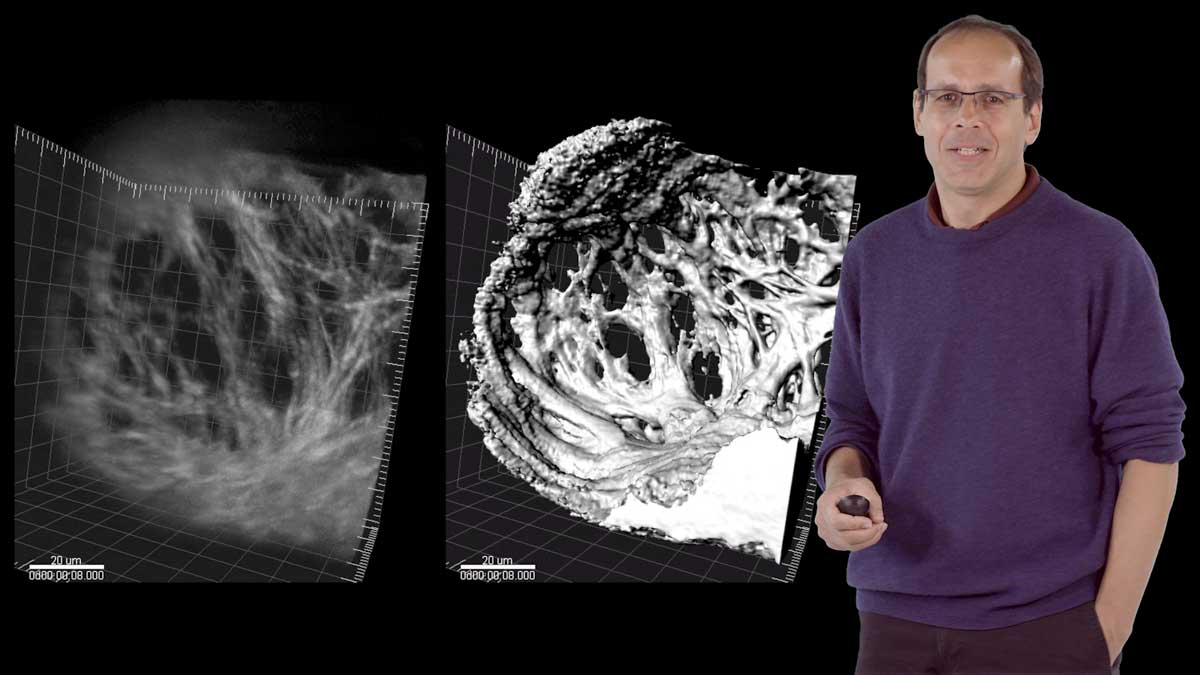
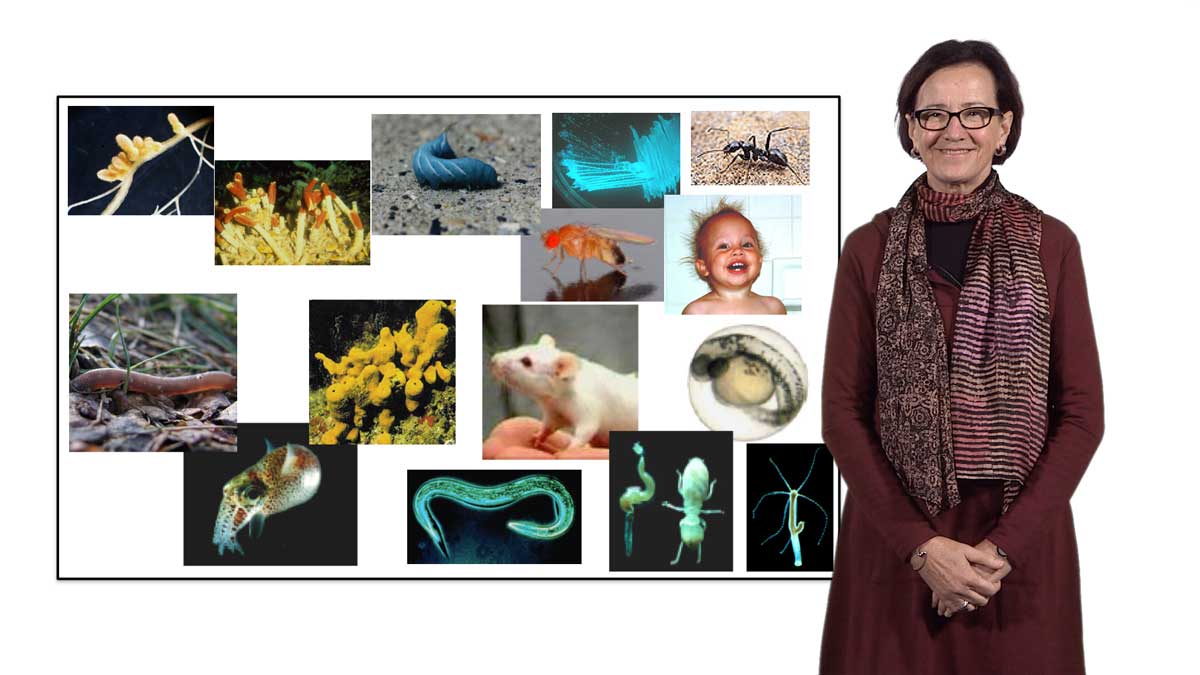
Speakers in these talks explain why they have chosen to work with a particular model organism. From yeast to zebrafish, each organism has attributes that have helped to advance our understanding of biology.
-
Transcriptional Adaptation to Mutations
-
BRUCE protein and liver disease
-
Bat Vision Evolution
-
Gregor Mendel's Famous Genetics Experiment
-
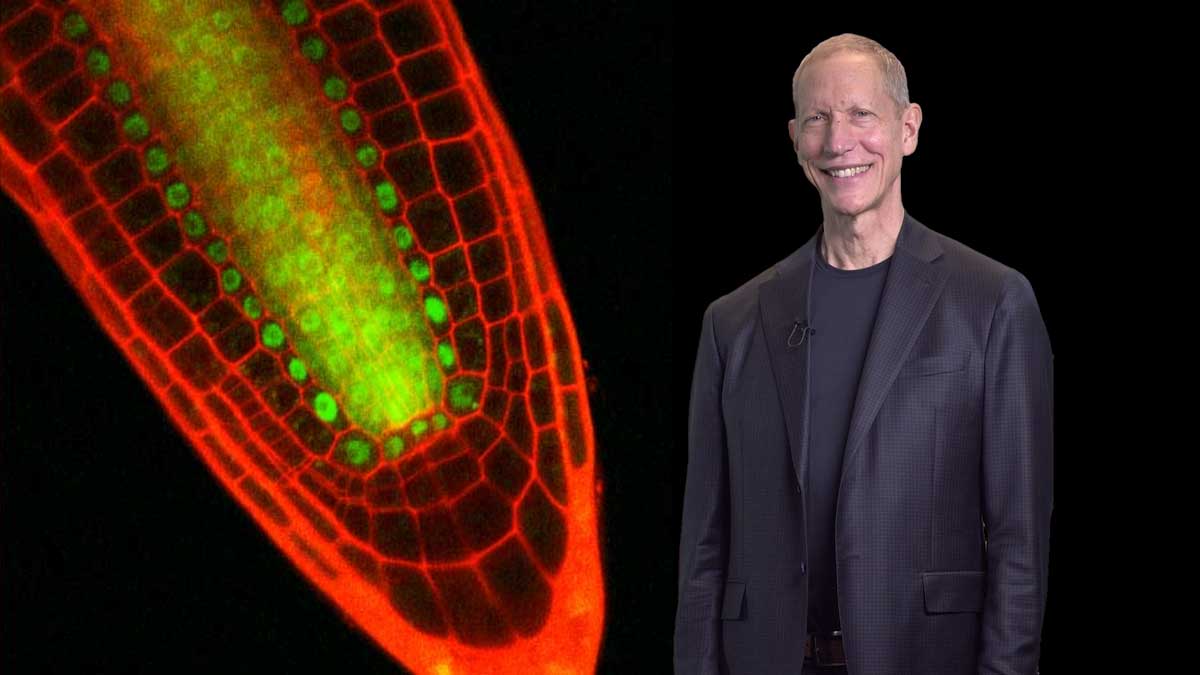
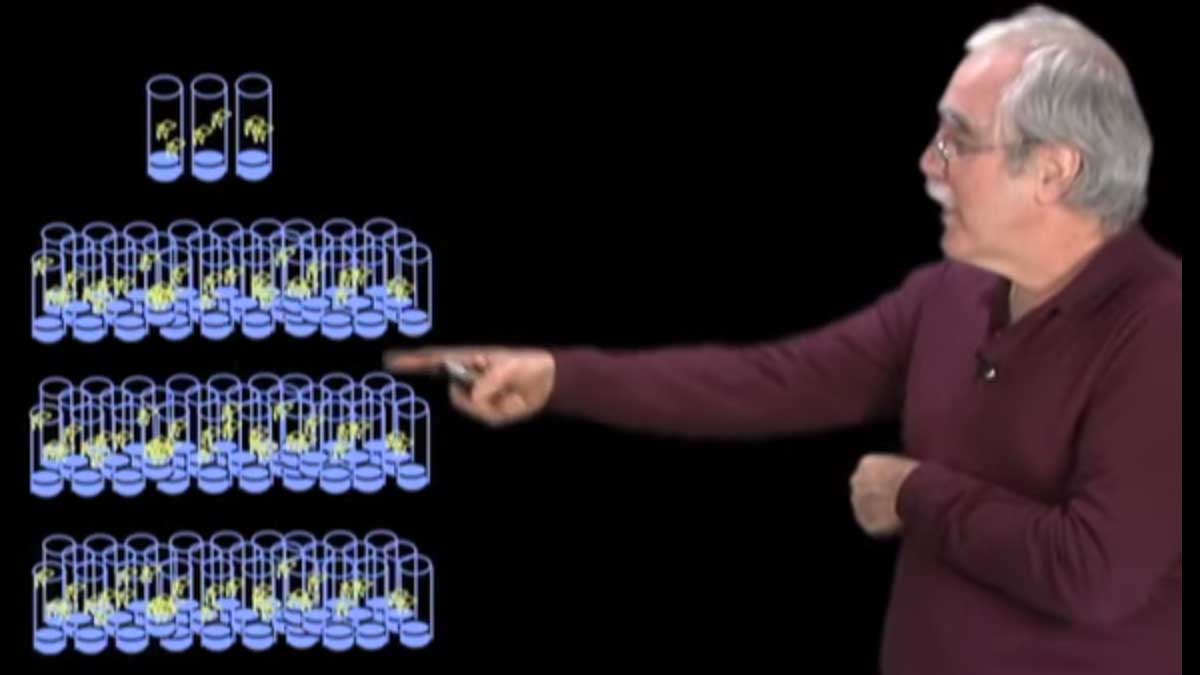
Root Development
-
Adult Stem Cells and Organoids
-
Neural Summation to Improve Night Vision
-
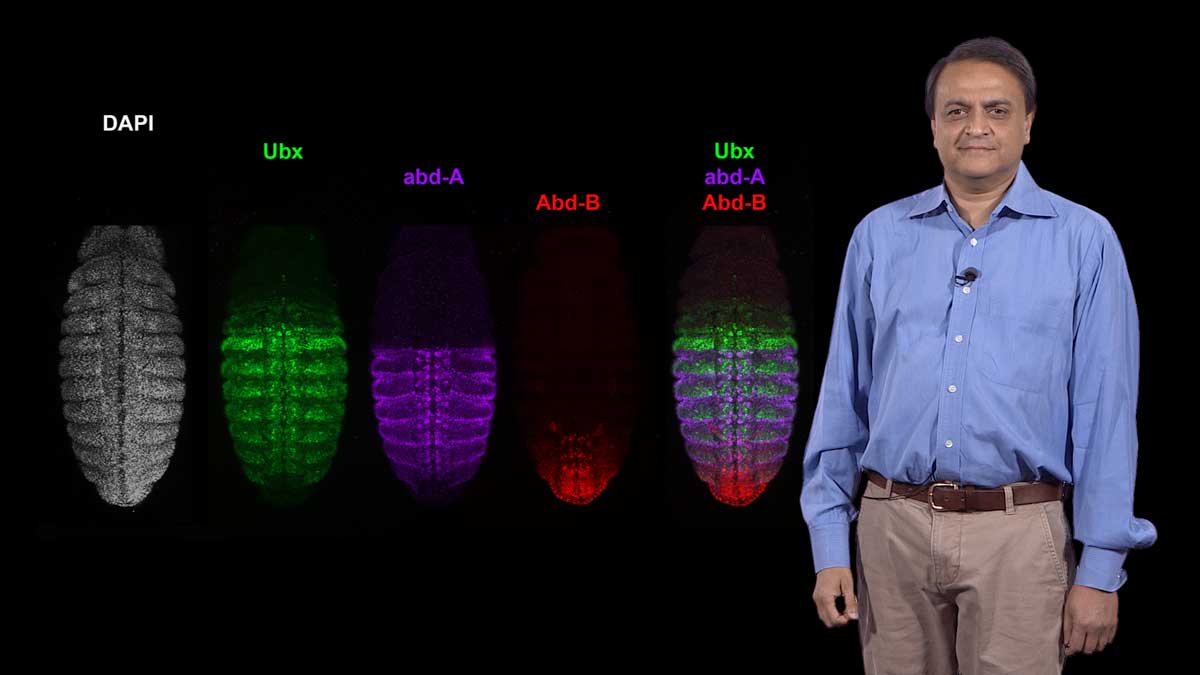
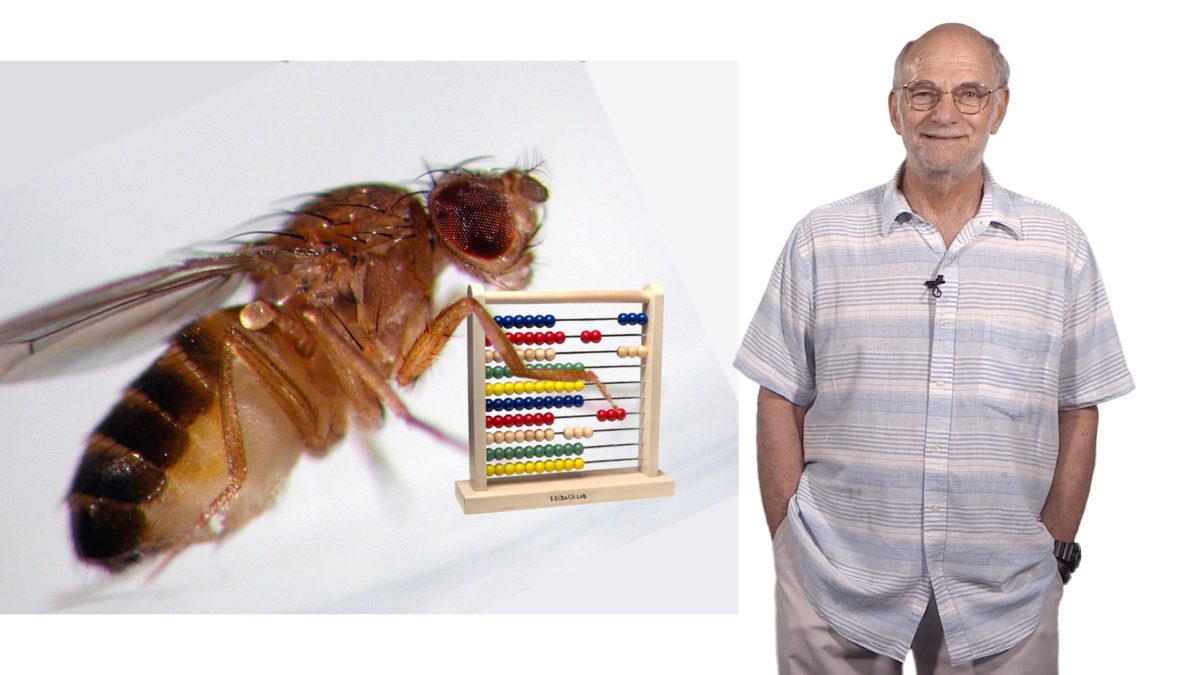
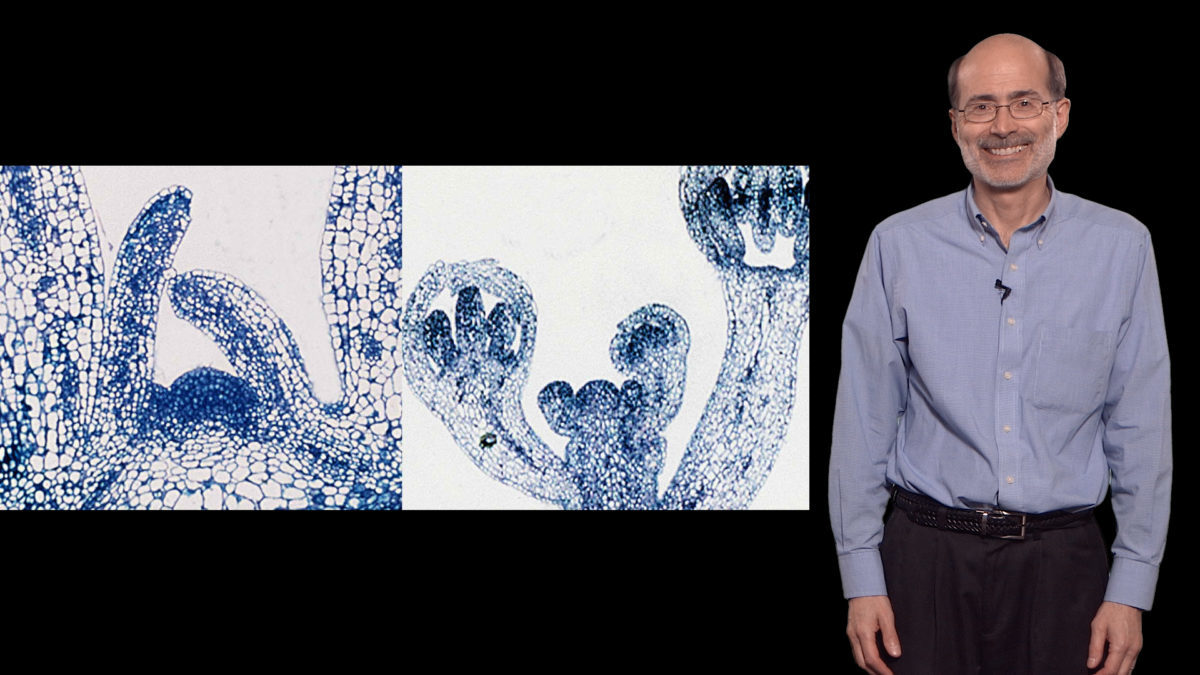
The Role of Homeotic Genes in Development
-
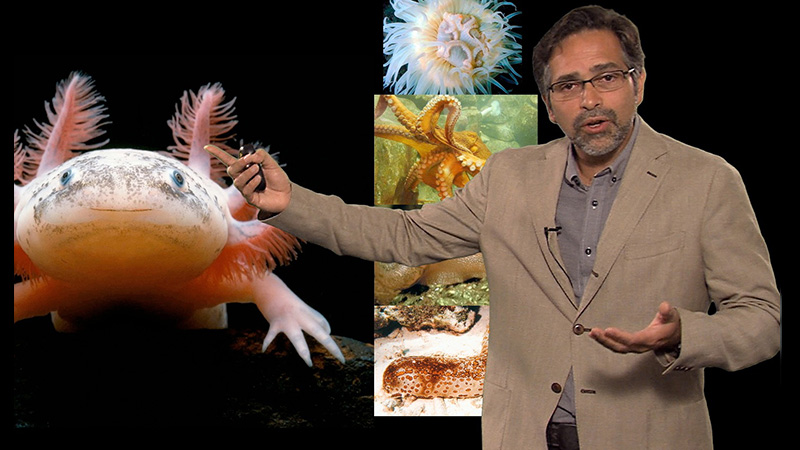
Axolotl Limb Regeneration
-
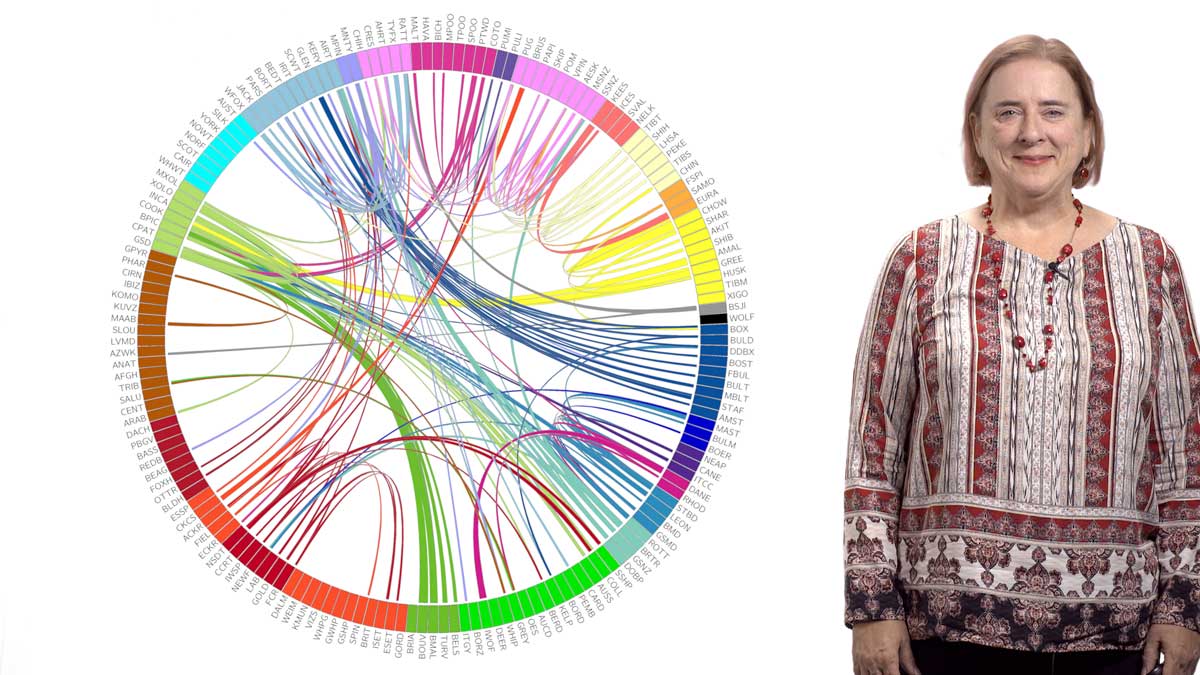
Canine Genetics
-
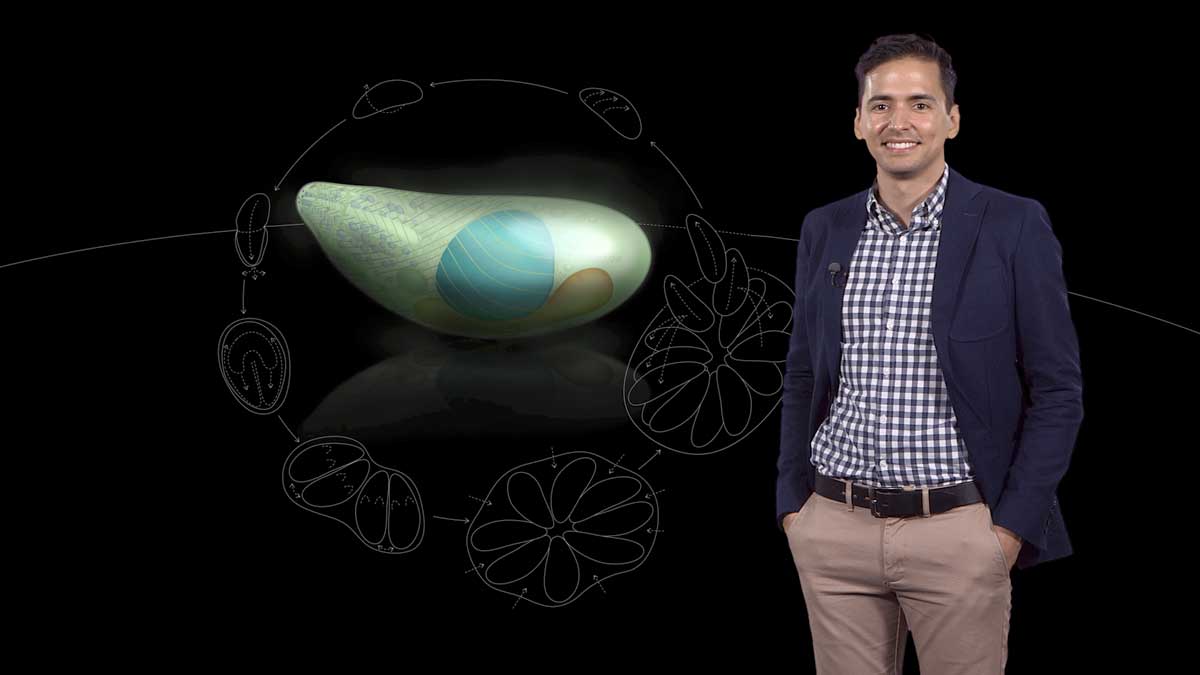
Toxoplasma gondii: A Model Apicomplexan
-
The Complex Kingdom of Fungi
-
How to Create a Body Axis
-
Cell Cycle Regulation
-
Vertebrate Organ Development
-
The Hawaiian Bobtail Squid - Vibrio fischeri Association
-
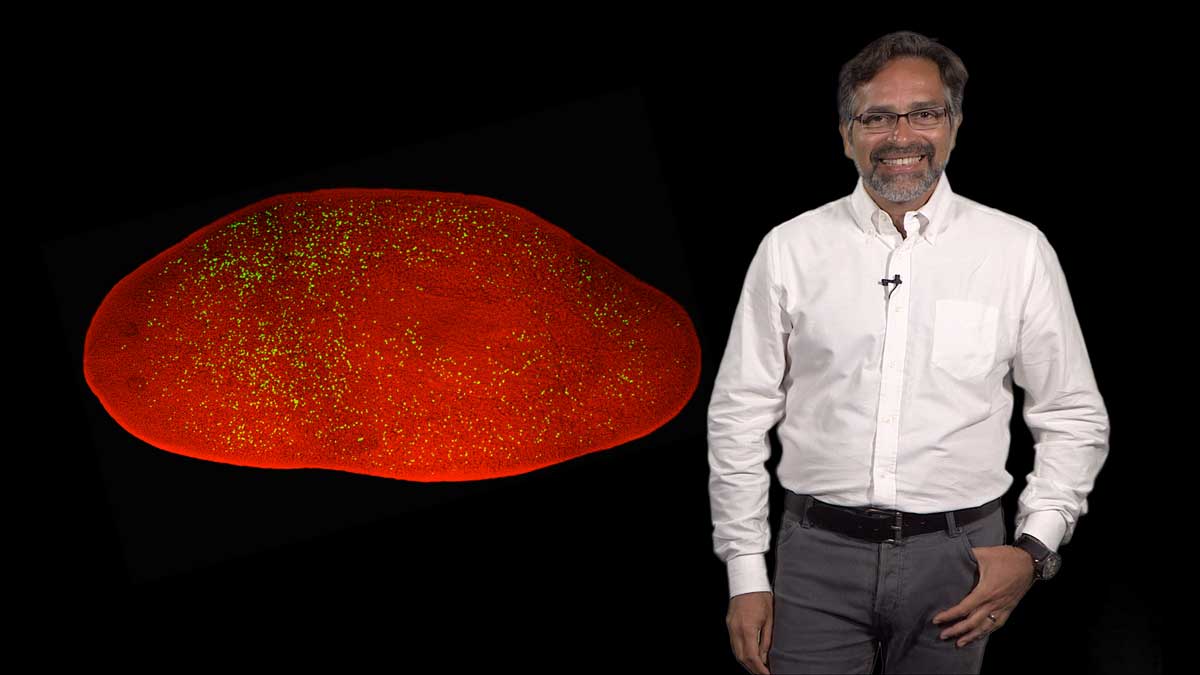
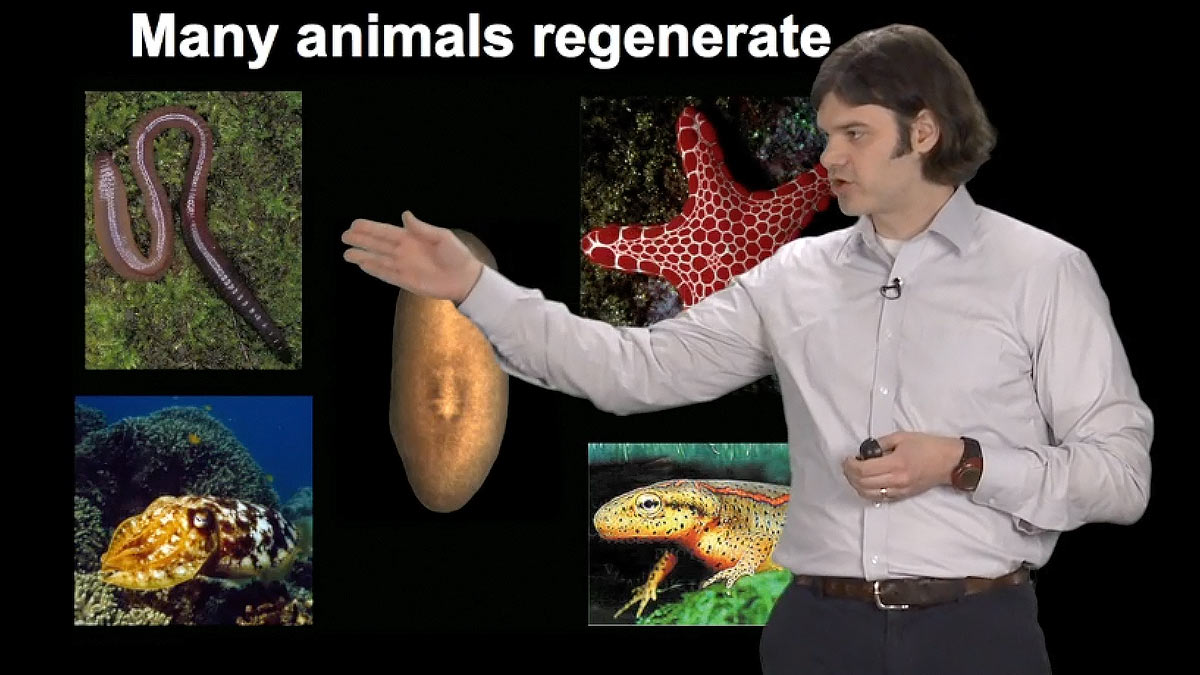
Planarian Regeneration
-
Understanding Circadian Rhythms
-
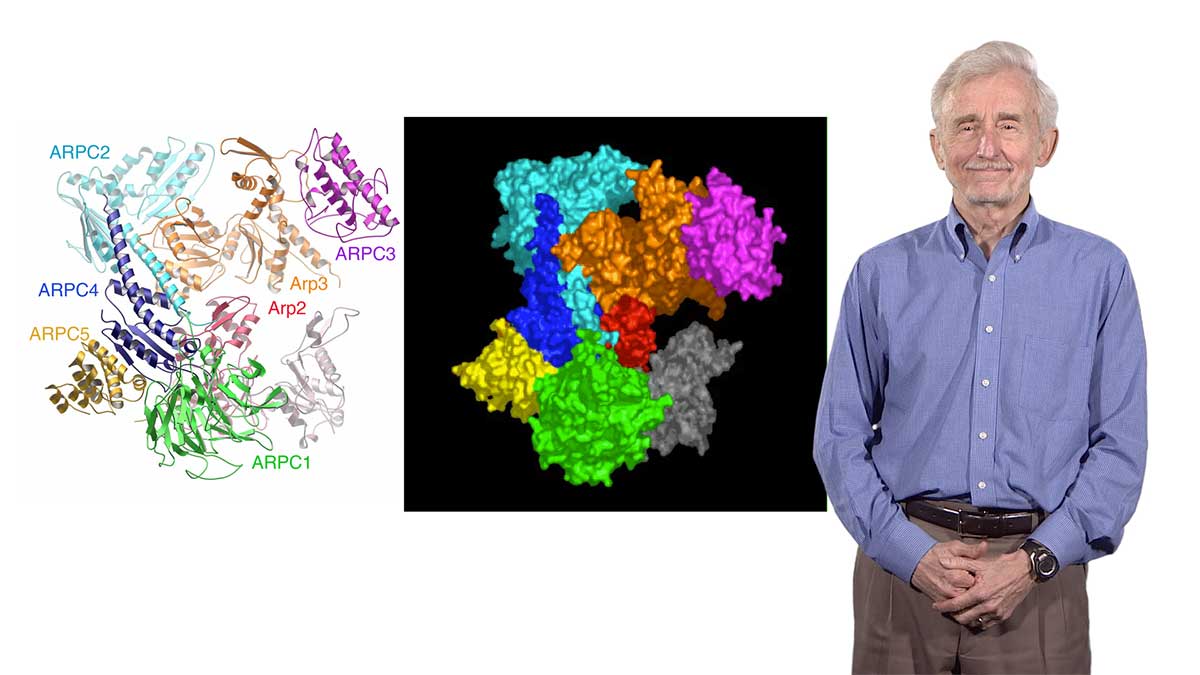
Cell Motility and Cytokinesis
-
Collaborating to Find Developmental Genes
-
CONSTANS and FLC: How do plants know when to flower?
-
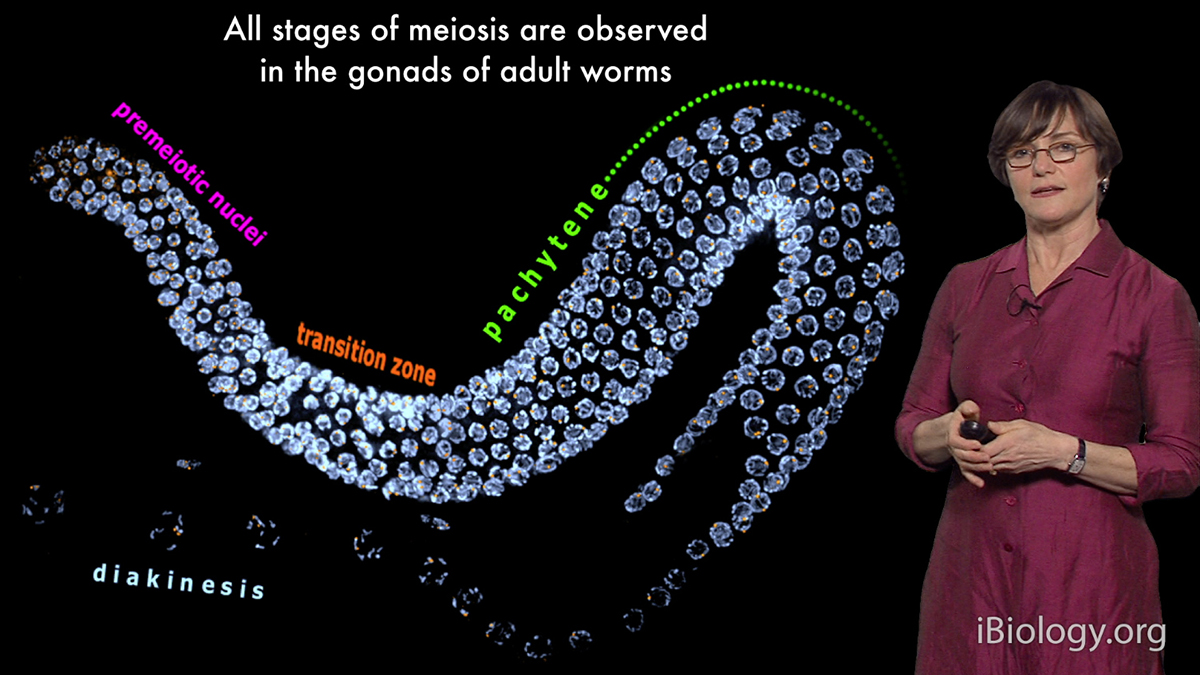
Chromosome Dynamics and an Overview of Meiosis
-
Staying Young: Regeneration in Planarians
-
Finding Genes that Control Development
-
Molecular Mechanisms that Drive Regeneration
-
Discovering Programmed Cell Death
-
Patterning Development in the Early Embryo: The Role of Bicoid
-
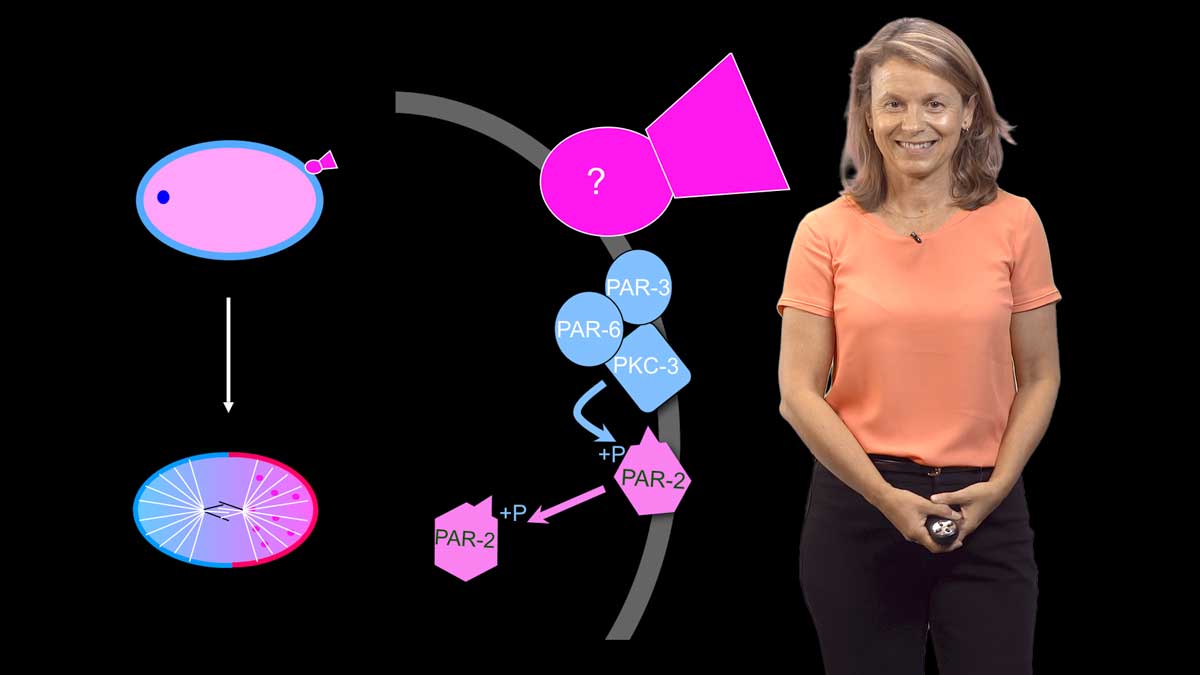
Control of Embryonic Axis Formation in Drosophila involving Gurken
-
Transcriptional Precision in Drosophila Embryos: Enhancers and Repressors
-
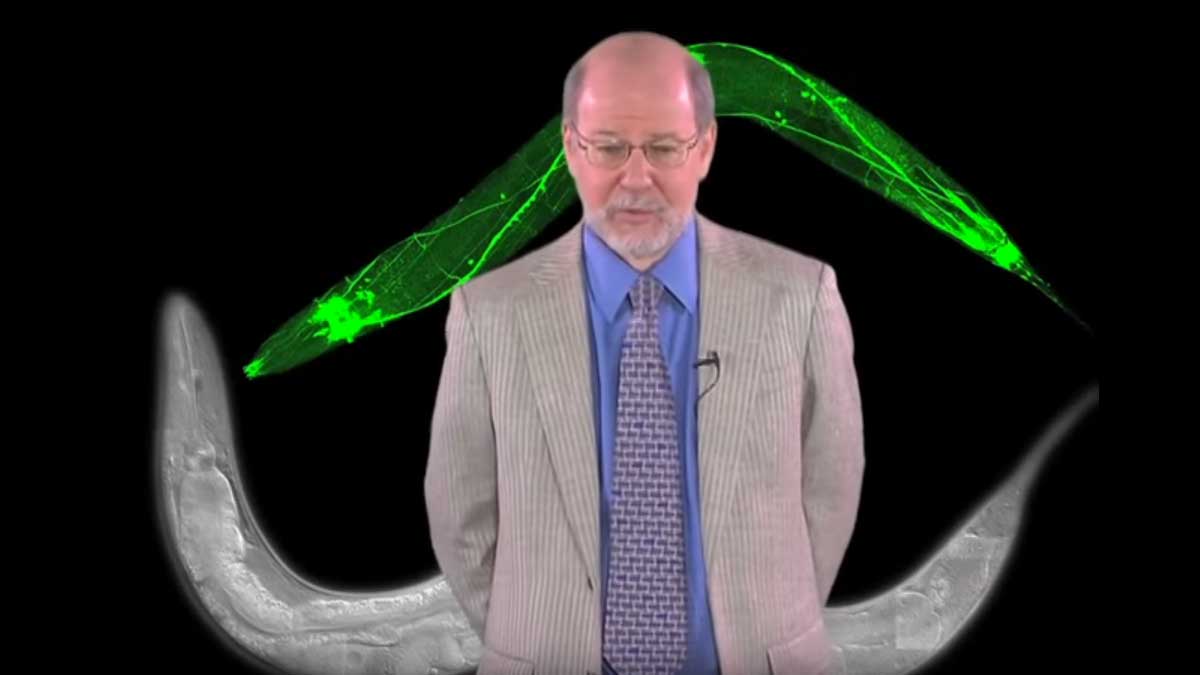
Aging Genes: Genes and Cells that Determine the Lifespan of C. elegans
-
Genes, The Brain, and Behavior
-
Yeast Sex and Yeast Life Cycle
-
Cellular Organization of Complex Cell Structures